Plumbing Repairs Every Homeowner Should Know: Quick Fixes and When to Call a Pro
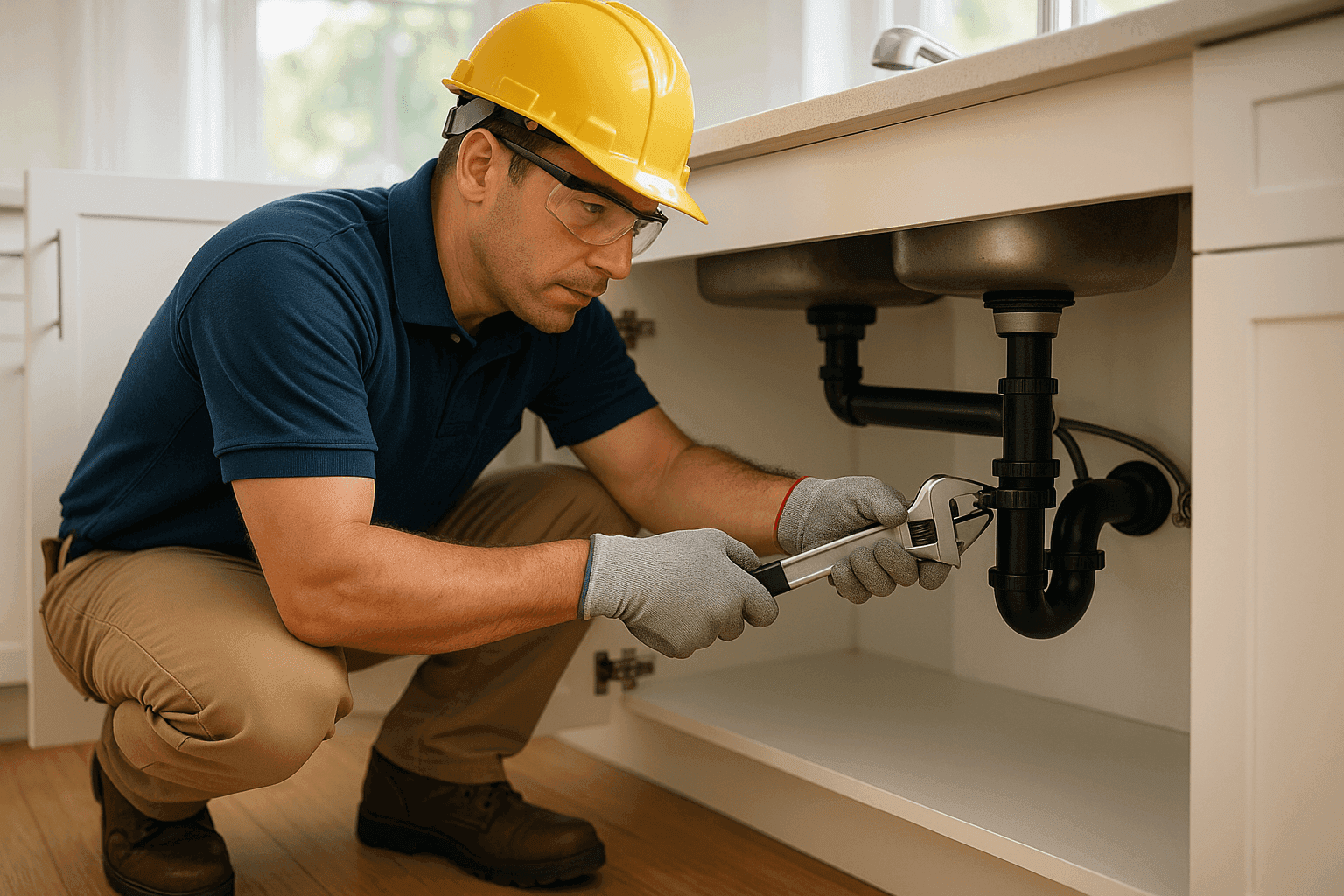
Every homeowner dreads that drip. The one you hear in the middle of the night. Or the gurgle from the kitchen drain when you’re already running late. Plumbing surprises strike fast, and often, at the worst times.
At Mr. Fixit Fast, we know how a small leak can spiral into a big headache. Whether it's a minor trickle or a major flood, knowing what to do—and when to call a handyman—can save your home, your wallet, and your nerves.
Common Plumbing Problems Homeowners Face
Plumbing issues tend to pop up like weeds after rain. Some are just annoying. Others threaten to become full-blown disasters. Here are the most common problems we see in homes everywhere:
- Leaky faucets: That steady drip can waste gallons of water.
- Clogged drains: Slow or standing water in sinks, tubs, or showers.
- Running toilets: The tank never fills, or the toilet randomly refills.
- Low water pressure: Showers feel weak, kitchen sprayers sputter.
- Pipe leaks: Water under the sink, behind the wall, or puddling on the floor.
- Garbage disposal jams: Loud noises or failure to drain.
Knowing these troublemakers helps you spot trouble before it grows.
Quick Safety Checklist Before You Start 🛑
Before grabbing a wrench or plunger, take a moment to protect yourself and your home. Water and tools don’t mix well without a plan.
- Turn off the water: Locate your main shutoff valve (usually near the water meter or where the line enters your home).
- Unplug appliances: If working near outlets or appliances, disconnect power first.
- Wear gloves and eye protection: Even a splash from a drain can carry bacteria.
- Have towels and a bucket handy: Water spreads fast—be ready.
- Read product labels: Use cleaning and plumbing chemicals with care.
- Keep kids and pets out: Curious little ones and pets can accidentally make messes bigger (and more dangerous).
- Ventilate: Open windows if you’re working with strong-smelling sealants, adhesives, or cleaning products.
The U.S. Consumer Product Safety Commission and local building codes offer more safety guidance for homeowners who want to dig deeper.
Quick Fixes for Common Plumbing Problems
Let’s roll up those sleeves. Here’s how to tackle the issues you’re most likely to face.
How to Fix a Leaky Faucet
A leaky faucet is like a leaky wallet. Most often, it’s just a worn washer or O-ring.
Step-by-Step:
- Shut off the water under the sink.
- Plug the drain to avoid losing small parts.
- Remove the faucet handle (usually one screw).
- Take out the stem or cartridge.
- Replace the washer or O-ring—bring the old one to the hardware store for a match.
- Reassemble and turn the water back on.
Tip: If you see corrosion or can't loosen parts, call a handyman. Forcing it can break the faucet.
How to Clear a Clogged Drain
Slow drains are often caused by hair, grease, or soap buildup.
Step-by-Step:
- Boil a kettle of water and pour it slowly down the drain.
- Plunge with a cup-style plunger (not the toilet kind).
- Remove and clean the trap under the sink (place a bucket underneath first).
- Try a drain snake for stubborn clogs—gently twist and pull out debris.
Caution: Avoid harsh chemical drain cleaners. They can damage pipes and harm the environment.
How to Stop a Running Toilet
If your toilet won’t stop running, it’s usually the flapper or fill valve.
Step-by-Step:
- Take off the tank lid.
- Check the flapper—replace it if it’s warped or doesn’t seal.
- Adjust the float so water stops below the overflow tube.
- Inspect the fill valve for mineral buildup or cracks.
Handy hint: Toilet repair kits are inexpensive and include clear instructions.
DIY or Call a Handyman? How to Decide
Some fixes are like a loose screw—easy to handle. Others are more like unraveling a sweater: one tug and it can get out of control.
DIY is usually safe for:
- Replacing washers or flappers
- Plunging a drain
- Tightening loose supply lines
Call a handyman for:
- Persistent leaks that don’t stop with a washer change
- Water stains or bubbling paint on ceilings/walls
- Sewage smells or slow drains in multiple fixtures
- Replacing or relocating pipes, valves, or major fixtures
- Any repair involving electrical wiring (like garbage disposals or dishwashers)
Plumbing can get complex fast. If you’re unsure, it’s always better to call in a handyman than to risk a flood.
What a Handyman Does When They Arrive
When you call Mr. Fixit Fast, we hit the ground running. Here’s what you can expect:
- Assessment: We look at the visible problem and check for hidden issues.
- Shutoff: Water is turned off to the affected area.
- Diagnosis: We test fixtures, inspect connections, and, if needed, use leak detection tools.
- Repairs: Parts are replaced or repaired to code standards.
- Cleanup: Any mess is handled, and we make sure the fix holds before we leave.
- Advice: We’ll give you tips for prevention and routine maintenance.
We follow local building codes and safety standards, and we never take shortcuts.
Prevention & Maintenance: Keeping Trouble at Bay 🛠️
Most plumbing problems can be kept at arm’s length with a little regular attention.
Easy prevention tips:
- Check under sinks every month for moisture or musty smells.
- Clean drains with baking soda and vinegar—not chemicals—once a month.
- Avoid flushing wipes, paper towels, or anything but toilet paper.
- Install mesh screens over drains to catch hair and debris.
- Insulate pipes before winter to prevent freezing.
- Know the age of your water heater—replace every 8–12 years.
Following these habits can save you from the midnight drip or the noon flood.
Costs & Time Factors
Every repair is a little different, but here’s what to expect:
- DIY repairs: Small jobs like a new washer or flapper can be done in 15–30 minutes with a few dollars in parts.
- Handyman visits: Most minor repairs take 1–2 hours. More complex jobs (like pipe replacement) can take half a day or longer.
- Parts: Washers, traps, and flappers are inexpensive. Faucets, valves, and supply lines cost more—factor in quality and compatibility.
- Hidden costs: Water damage, mold, or faulty DIY repairs can mean bigger bills later.
Prompt repairs save money—water leaks only get worse with time.
When It’s an Emergency
Some plumbing problems need a handyman right away. Don’t wait if you see:
- Sudden, large leaks or flooding
- No water throughout the house
- Gurgling or bubbling from drains and toilets
- Sewage backing up in sinks, tubs, or toilets
- Water stains spreading rapidly on floors, walls, or ceilings
Turn off the main water supply immediately. Then, call for help. Fast action prevents serious property damage and health risks.
Plumbing FAQ
How do I find my main water shutoff?
It’s usually near where the water line enters your home—either in the basement, crawl space, utility room, or outside near a hose bib. Turn the handle clockwise to shut off.
Why does my faucet still drip after I replaced the washer?
Mineral buildup or a damaged valve seat can cause continuing leaks. Sometimes the whole faucet needs replacing.
Is it safe to use chemical drain cleaners?
Most professionals (and the Environmental Protection Agency) recommend against it. Chemicals can corrode pipes and harm the environment.
How can I tell if I have a hidden leak?
Watch for high water bills, mold, musty smells, or unexplained stains. Listen for hissing behind walls when everything is turned off.
Local & Seasonal Considerations
Homes in cold climates need special care. Insulate exposed pipes before winter. Drain outdoor faucets and hoses before freezing temperatures hit.
If you’re in an area with hard water, mineral buildup happens faster. Regularly flush water heaters and clean aerators on faucets.
For those living in humid or rainy areas, keep an eye on basement plumbing and sump pumps. Mold and moisture love to sneak in where plumbing is weak.
The Bottom Line
Plumbing repairs can feel like a maze. Sometimes, a quick fix is all you need. Other times, you need a steady hand and the right tools. At Mr. Fixit Fast, we’re here for the jobs you don’t want to tackle alone—whether it’s a leaky faucet, a stubborn clog, or something much bigger.
Call Mr. Fixit Fast now — or reach us anytime at 855-508-5668 .