The True Cost of Home Repairs: What to Budget for Common Handyman Services
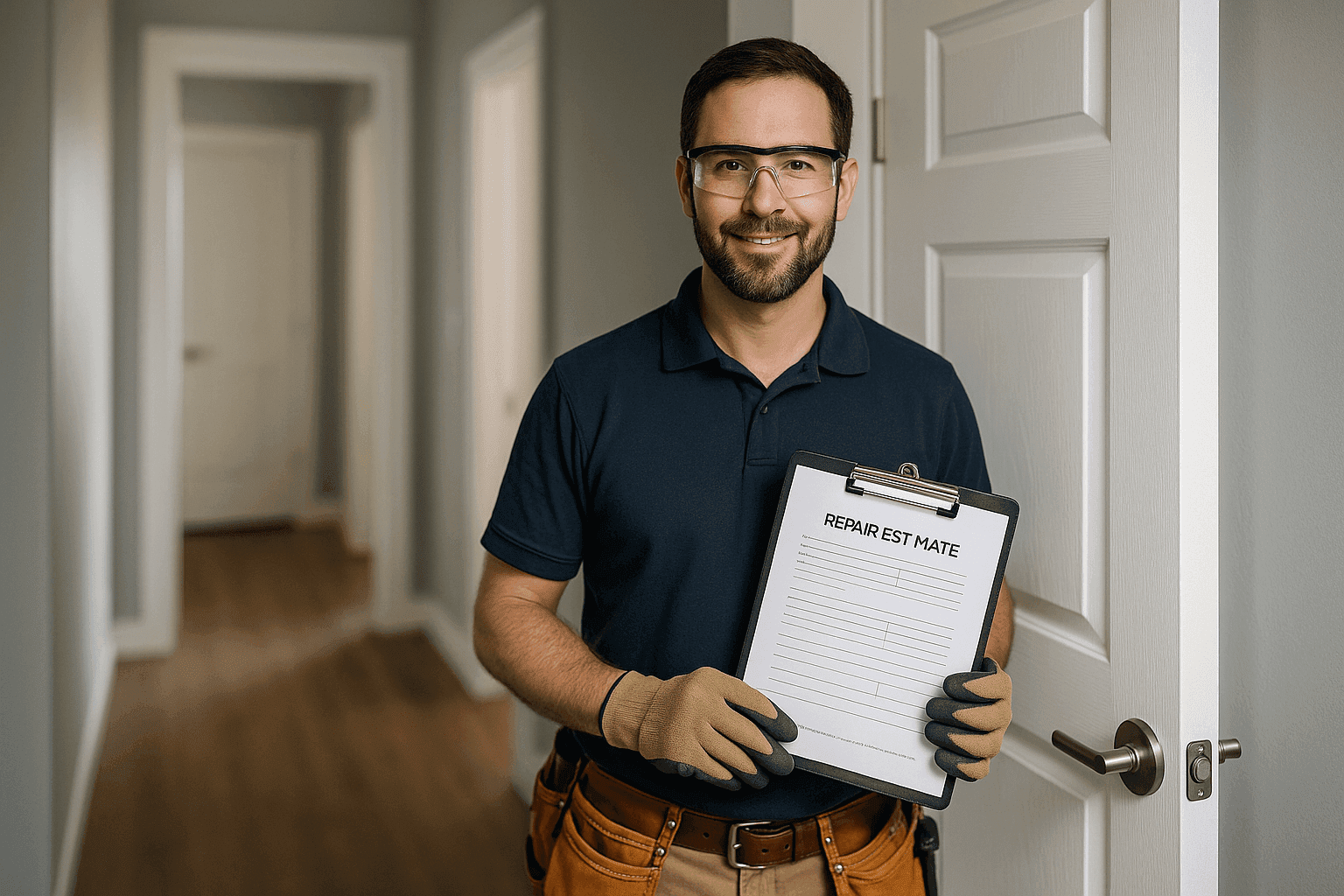
When something breaks at home, time seems to slow down. That dripping faucet or cracked drywall panel stares at you every morning, begging for attention. And there’s always the big question: What will this actually cost to fix?
At Mr. Fixit Fast, we’ve seen it all. Home repairs can be confusing, but knowing what to budget—and what factors influence those costs—empowers you to make smart choices, without feeling lost or overcharged.
Why Do Handyman Prices Vary So Much? 🛠️
Ever notice how one service call for a leaky pipe is half the price of another? Or how two drywall repairs end up costing wildly different amounts? Pricing for handyman work is a bit like building a sandwich: labor, materials, and complexity are your main ingredients.
Here’s what stacks up:
- Labor: Most handymen charge by the hour or by the job. Simple fixes take less time; complex projects (like garage organization near you) might span hours or days.
- Materials: The cost of new parts (think: faucets, drywall, door hardware) is passed along to you. Higher-end finishes or specialty parts cost more.
- Complexity: Replacing a light fixture is easier than rewiring an old outlet. Some jobs need extra prep, permits, or safety gear.
- Accessibility: Hard-to-reach places (like ceiling fans or attic pipes) increase time and cost.
No two homes—or repair jobs—are exactly alike. That’s why you’ll see a range, not a flat price, for most handyman services.
Quick Home Safety Checklist Before Repairs
Before you even call for help, take a minute to check for basic safety issues:
- Turn off water at the main valve if you have a leak.
- Cut power at the breaker before touching electrical outlets or fixtures.
- Keep children and pets away from the work area.
- Move fragile items or furniture out of the way.
- If there’s smoke, gas, or visible sparks—evacuate and call emergency services.
The National Safety Council recommends always prioritizing personal safety over a quick fix. If in doubt, wait for a professional.
Should You DIY or Call a Handyman?
It’s tempting to grab a wrench and try that repair yourself. Sometimes, that’s fine—tightening a loose hinge or hanging a picture is within most folks’ reach. But when it comes to plumbing, electrical, or anything behind the walls, a little know-how can save you a lot of trouble.
DIY might be okay if:
- The fix is minor (like patching a nail hole).
- You have the right tools.
- It’s not connected to electricity, gas, or plumbing.
Call a pro if:
- The job involves water, wiring, or structural repairs.
- It’s high up, heavy, or hard to reach (think: TV mounting or garage shelving).
- You’re unsure about code or safety.
Remember, a small mistake with electrical or plumbing can cause thousands in damage—or worse, injury. The International Association of Certified Home Inspectors (InterNACHI) reminds homeowners that most insurance policies don’t cover DIY mistakes.
What Handymen Do When They Arrive
Ever wonder what happens once a handyman rings your bell? Here’s a peek behind the curtain:
- Assessment: They’ll size up the job—sometimes with a flashlight, sometimes with a tape measure.
- Estimate: You’ll get a quote, either on the spot or shortly after.
- Prep: The work area is cleared and prepped. Drop cloths, tape, or plastic may be used to protect your space.
- Repair: Tools come out, parts get swapped, and the problem gets fixed.
- Cleanup: A good handyman never leaves a mess. Expect a sweep, tidy, and haul-away of any debris.
- Walkthrough: You’ll be shown the finished work and invited to check it out.
If you’re ever unsure about part of the process, just ask. A reputable handyman will be happy to explain.
Prevention & Maintenance: The Secret to Lower Costs
Here’s the truth: regular maintenance costs less than major repairs. A clogged gutter today might mean a flooded basement tomorrow. Tiny cracks in caulk or grout can let moisture in, leading to bigger (and pricier) problems down the road.
Easy home checks to save money:
- Test smoke detectors monthly.
- Inspect caulk and weatherstripping around doors/windows.
- Flush gutters every fall and spring.
- Look for peeling paint or soft spots on walls (early sign of leaks).
- Run appliances through a cycle to check for odd noises.
The U.S. Department of Housing and Urban Development recommends setting aside 1–4% of your home’s value every year for maintenance and repairs. It adds up, but so do the savings.
What Impacts the Cost of Handyman Services
Let’s break down what goes into that final invoice:
1. Type of Job
- Drywall Repair: Small holes are quick; large patches or water damage take longer.
- Faucet Replacement: New fixtures are fast. But old, corroded plumbing or tight spaces add time.
- TV Mounting: Wall type (plaster vs. drywall), wiring, and bracket style all matter.
- Door and Window Repairs: Adjustments are simple; full replacements or rotted frames are more complex.
- Seasonal Maintenance: Bundling tasks (like gutter cleaning, caulking, and weatherstripping installation) often saves money.
2. Materials
- Brand, quality, and finish make a difference. Basic outlets or handles cost less than designer versions.
3. Prep Work
- Moving furniture, protecting floors, or dealing with prior DIY fixes can add to the bill.
4. Location and Accessibility
- High ceilings, tight corners, or multi-story homes increase both risk and labor time.
5. Scheduled vs. Emergency
- Emergency repairs (nights, weekends, holidays) almost always come with higher rates.
Price Ranges for Common Handyman Services
While prices vary by region, here are some typical U.S. ranges:
- Drywall Repair: $100–$500 depending on size and finish
- Faucet Replacement: $120–$300 including basic parts
- TV Mounting: $120–$400 based on size and complexity
- Door/Window Repair: $80–$350 for adjustments; more for full replacement
- Seasonal Maintenance Packages: $150–$500 for bundled tasks
Remember, these are ballpark figures. Each job is unique—sometimes it’s a quick fix, sometimes it needs a little more elbow grease.
When It’s an Emergency 🚨
Water pouring from the ceiling at 2 a.m.? That’s an emergency. So is a sparking outlet, broken lock, or major leak. Emergency repair costs are higher due to urgency, after-hours labor, and the risk involved.
What to do:
- Stop the source (shut off water or power) if you can do so safely.
- Document the damage (for insurance).
- Call a handyman with clear details about what’s happening.
Don’t delay on emergencies—fast action limits both damage and cost.
FAQ: Common Home Repair Questions
How do I compare handyman quotes?
Look for clear, itemized estimates—labor, materials, and time. Beware of prices that seem “too good to be true,” or vague flat rates with no breakdown. Always ask about extra charges for unexpected issues.
What are red flags when hiring a handyman?
Watch out for:
- No references or insurance.
- Unwillingness to provide a written estimate.
- Demands for full payment upfront.
- “Cash only” requests without receipts.
Check credentials. In many states, handymen must be licensed or registered for certain jobs.
How can I prioritize repairs if I’m on a budget?
Tackle safety issues first—anything involving water, electricity, or security (like locks or smoke detectors). Next, deal with problems that could get worse over time, like leaks or rot. Cosmetic fixes can usually wait.
Does home insurance cover handyman repairs?
Insurance often covers sudden damage (like a burst pipe) but not wear-and-tear or routine fixes. Always check your policy and talk to your insurer for details.
Local and Seasonal Considerations
Climate and season play a big role in home repair needs. In colder months, pipes are at risk of freezing and exterior caulking shrinks. Spring brings gutter clogs and weatherstripping concerns. Summer storms can damage fences, decks, or siding.
If you’re searching for seasonal handyman services—such as gutter cleaning, deck repairs, or garage organization near you—schedule early. The busiest times are right before and after major weather changes.
Budgeting Tips for Homeowners
- Set aside a monthly “home fund.” Even $50 a month cushions sudden repairs.
- Bundle jobs. Scheduling several fixes at once can save on labor charges.
- Keep receipts. They help prove maintenance for insurance and resale value.
- Don’t ignore small issues. A loose tile today is a water leak tomorrow.
The American Society of Home Inspectors recommends annual walk-throughs to spot issues before they grow.
Home repairs never come at a convenient time, but with the right information, you can plan—without sticker shock or stress. Whether it’s drywall, plumbing, TV mounting, or just ticking off that seasonal maintenance list, Mr. Fixit Fast is here to help.
Call Mr. Fixit Fast now — or reach us anytime at 855-508-5668 .