Emergency Repairs: What to Do Before the Handyman Arrives
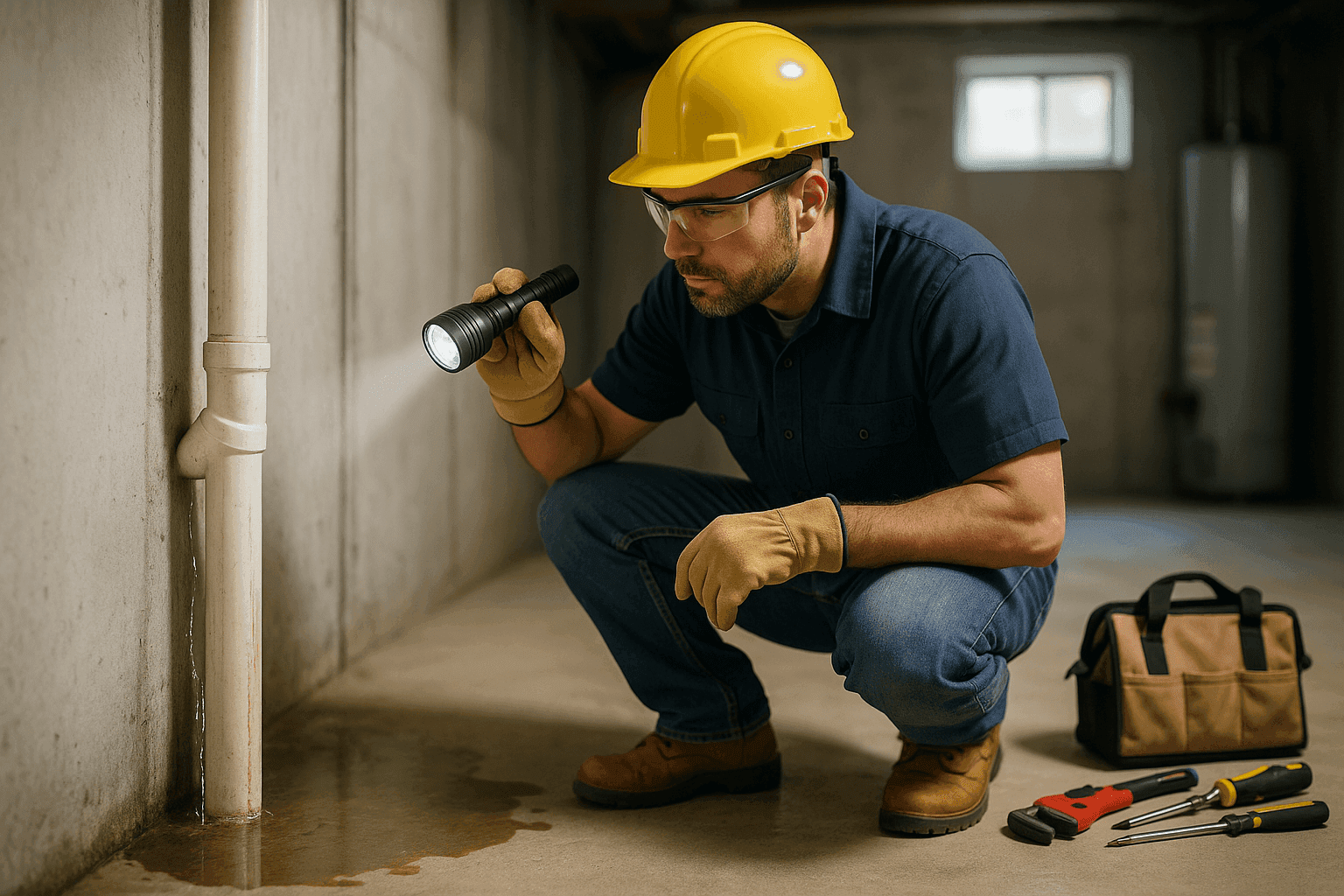
When disaster strikes at home—burst pipe, storm-smashed window, mystery leak—panic is natural. But a cool head and quick actions make all the difference. At Mr. Fixit Fast, we understand the stress that comes with unexpected damage. Our goal: help you stay safe and minimize trouble before the handyman arrives.
Emergencies don’t wait for business hours. That’s why knowing what to do, step by step, is just as important as knowing who to call.
When Trouble Hits: What Emergency Repairs Look Like
Emergencies come in all shapes and sizes. Some are loud and obvious—a pipe bursts, water gushes, the breaker pops, or a tree limb smashes through a window during a thunderstorm. Others creep in quietly: a ceiling stain that suddenly grows, a faint smell of burning wires, or a persistent drip under the sink.
Common handyman emergencies include:
- Leaking or burst pipes
- Electrical shorts or power loss
- Broken windows and doors
- Storm or wind damage
- Overflowing toilets or major plumbing leaks
- Sudden appliance failures
- Water seeping from unknown sources
No matter the scenario, your first focus should be safety—for people, pets, and property.
Quick Safety Checklist 🛑
Seconds count. Here’s a safety-first checklist to guide your first moves:
- Assess Immediate Danger: Is there a fire? Strong odor of gas? Standing water near outlets?
- Evacuate if Needed: If the situation feels unsafe, get everyone out. Don’t hesitate.
- Shut Off Utilities:
- Water: Locate the main shutoff valve (usually in basements, crawlspaces, or near your water meter). Turn it off to stop leaks.
- Electricity: Use the main breaker to cut power, especially if there’s water involved.
- Gas: If you smell gas, turn off the main valve (only if safe) and get outside.
- Keep Children and Pets Away: Block off affected areas.
- Ventilate: Open windows to disperse fumes or moisture, but only if it’s safe.
- Wear Shoes: Protect your feet from glass, debris, or slippery floors.
Do not attempt repairs on live electrical systems, climb on wet roofs, or wade into standing water near outlets. Safety first, always.
Damage Control: What You Can Do (and What You Shouldn’t)
Think of damage control like plugging holes in a sinking boat—you’re not fixing the problem, just slowing it down.
Do’s:
- Contain Water: Place buckets or towels under leaks. Move valuables and electronics to dry ground.
- Secure Broken Windows/Doors: Use plastic sheeting or heavy-duty garbage bags and tape to block rain and drafts.
- Unplug Electronics: If safe, disconnect devices in affected areas.
- Document Everything: Snap photos of the damage for insurance.
- Mop Up: Absorb standing water quickly to prevent further damage.
Don’ts:
- Don’t touch electrical outlets or cords if water is present.
- Don’t use makeshift tools for repairs (like sticking a broomstick in a pipe).
- Don’t ignore lingering smoke, burning smells, or sparking wires.
- Don’t climb unstable ladders or attempt roof repairs during storms.
DIY or Call a Pro?
Some repairs look simple—until they aren’t. Here’s how to know when to roll up your sleeves, and when to call for help.
When a Little DIY Is Fine:
- Shutting off valves or breakers
- Placing buckets or towels to catch leaks
- Taping plastic over a broken window
- Moving furniture or valuables out of harm’s way
When to Call a Handyman (or Emergency Services):
- Water pouring from ceilings or walls
- Electrical sparks, buzzing, or loss of power
- Cracked or sagging ceilings
- Gas smells or hissing pipes
- Major storm or impact damage
If in doubt, err on the side of caution. Remember, jobs like electrical repairs, major plumbing, or securing heavy fixtures are best left to the pros.
What Handymen Do When They Arrive
When your handyman gets there, they'll want to assess the scope fast. Clear access makes all the difference.
Here’s what to expect:
- Initial Walkthrough: Show the affected areas. Share what you’ve already done.
- Safety Assessment: The pro may test for live wires, gas, or structural hazards.
- Temporary Fixes: Board up windows, stop leaks, or cut power as needed.
- Damage Mitigation: Remove wet drywall, isolate plumbing issues, or secure loose fixtures.
- Next Steps: Outline repairs, materials, and timelines.
Tip: Have your emergency kit, insurance info, and photos ready. The more details you share, the faster solutions can begin.
Your Emergency Kit: What to Have on Hand 🧰
Emergencies are easier when you’re prepared. Every home should have:
- Flashlight (with spare batteries)
- Basic first-aid kit
- Duct tape and plastic sheeting
- Adjustable wrench (for shut-off valves)
- Heavy-duty gloves
- Towels and buckets
- Portable phone charger
- List of emergency contacts (handyman, utility providers, insurance)
Keep your kit where it’s easy to grab—hall closet or near the main entry.
Documentation for Insurance
You don’t need a degree in paperwork, but you do need evidence. Good documentation can speed up claims and protect your wallet.
- Take wide and close-up photos of every angle.
- Save receipts for any emergency purchases.
- Write down what happened—when, where, and how you responded.
- Keep damaged items (if safe) until adjusters inspect them.
Refer to guidance from the Insurance Information Institute for more on proper documentation.
Prevention & Maintenance
The best emergency is the one that never happens. A stitch in time saves nine.
- Schedule regular home maintenance: check gutters, inspect weatherstripping, test smoke detectors.
- Know where your main shut-off valves and breakers are.
- Fix small leaks before they become big problems.
- Consider seasonal services like Garage Organization near you to keep pathways clear and hazards easy to spot.
Resources like the National Fire Protection Association and local building codes offer helpful checklists.
Costs & Time Factors: What to Expect
Emergencies rarely announce themselves in advance—and they never show up when it’s convenient. Costs and repair times depend on:
- Severity: A minor leak? Quick and affordable. Major flood? Longer, pricier fix.
- Time of Day: Nights and weekends can mean higher rates.
- Parts Needed: Some fixes require special-order items.
- Scope: One room or the whole house affected?
A handyman can usually provide a time estimate on arrival. Keep in mind, some repairs (like wet drywall or flooring) may need return visits to fully resolve.
When It’s an Emergency (and When It Isn’t) 🚨
Not every home issue is a four-alarm fire. But some signs mean you should call for help—fast.
Emergencies:
- Water pouring or pooling rapidly
- Strong electrical burning smell or visible sparks
- Broken windows/doors creating security risks
- Gas leaks (leave immediately and call the utility company)
Not Emergencies, But Still Important:
- Slow drips or persistent dampness
- Sticking doors or windows (unless it’s a safety risk)
- Minor drywall cracks or nail pops
If it threatens safety, property, or comfort, don’t wait too long.
FAQ: Common Emergency Repair Questions
How do I find my main water shut-off valve?
Usually near where water enters your home—look in basements, crawlspaces, garages, or utility closets. Turn clockwise to shut off.
Can I use duct tape to stop a leak?
Duct tape can slow minor leaks temporarily, but it’s not a fix. Call a handyman for proper repairs.
Should I try to reset a tripped breaker after a flood?
No. If water is involved, wait for a professional to inspect before restoring power.
How do I know if it’s safe to stay in the house?
If you smell gas, see fire, or can’t control water/electricity, evacuate and call for help.
Local & Seasonal Considerations
Weather and local conditions shape the types of emergencies you might face.
- Winter: Frozen pipes, ice dams, heater issues.
- Spring: Flooding, high winds, leaking roofs.
- Summer: Storm damage, AC breakdowns.
- Fall: Clogged gutters, furnace prep, storm-proofing.
Seasonal maintenance services—like gutter cleaning, weatherstripping installation, and pressure washing—can help prevent surprises. And if you need Garage Organization near you, a tidy space means faster access to your emergency kit and tools.
Emergencies are tough—but you don’t have to face them alone. Whether it’s a sudden leak, a power mystery, or a door that just won’t close, Mr. Fixit Fast is here for all your home repair needs.
Call Mr. Fixit Fast now — or reach us anytime at 855-508-5668 .