When to Hire a Handyman vs DIY: Making the Right Choice for Home Projects
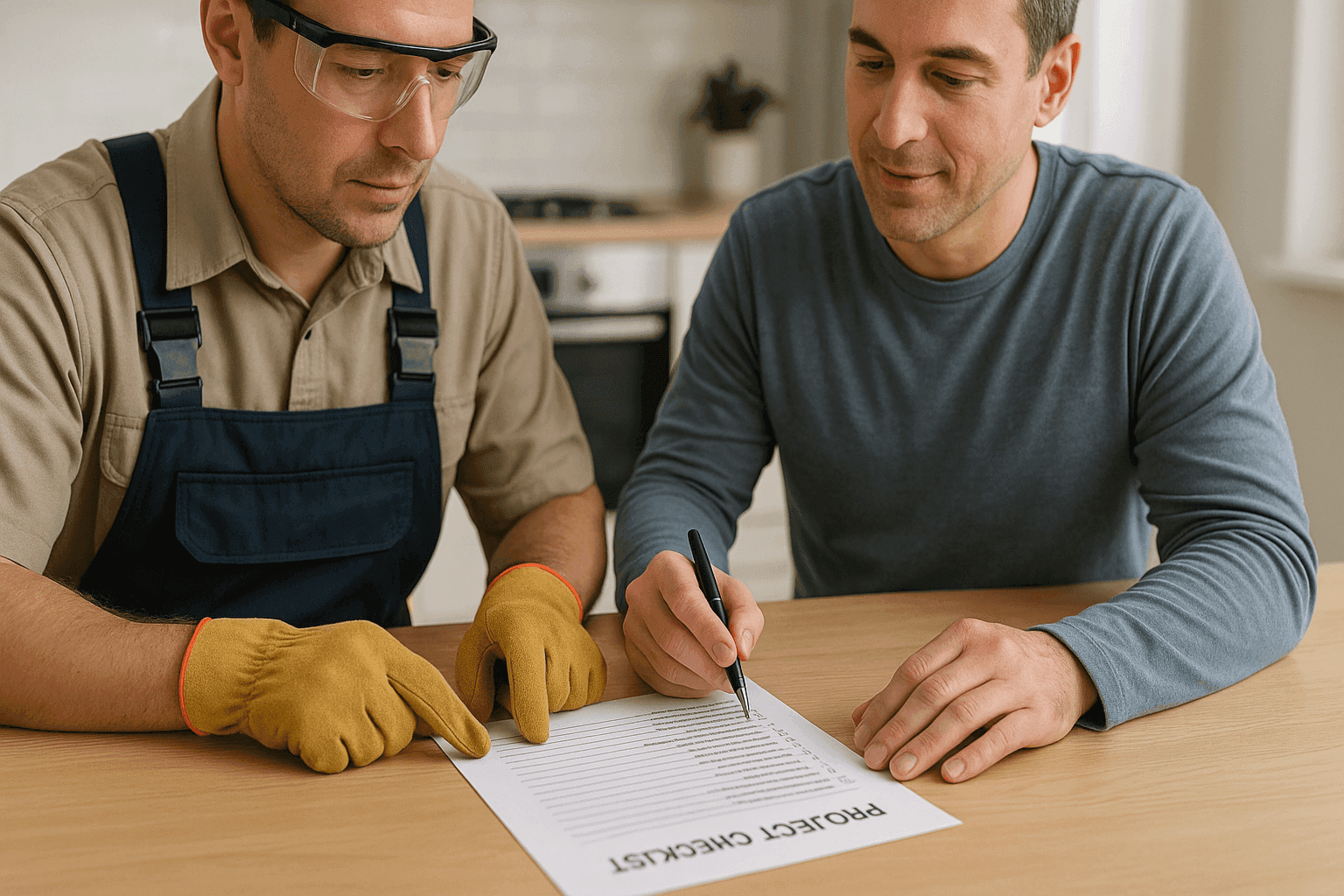
You’re staring at a leaky faucet, a wobbly shelf, or a crack in the drywall. Your toolbox is calling your name, but so is your sense of caution. Should you roll up your sleeves, or is it time to call in a handyman?
At Mr. Fixit Fast, we know that every home project comes with its own set of decisions. The right call keeps your family safe, saves money, and protects your home’s value. Let’s break it down together.
The Home Project Dilemma: Tinker or Tag In Help?
Every homeowner faces this crossroads. Maybe it’s a stuck door, a faulty outlet, or the yearly garage organization you keep putting off. Some jobs are tempting to tackle on your own—others, not so much.
But here’s the thing: what seems simple at first can unravel fast. A minor plumbing fix can become a flood. A half-hung TV can fall in the night. The line between DIY and “call a pro” isn’t always obvious.
The goal? Make a smart, safe decision before you pick up that hammer or phone.
Quick Safety Checklist 🛑
Before you dive into any home project—pause. Safety comes first. Use this checklist to spot red flags:
- Does this job involve electrical wiring or outlets?
- Are you dealing with gas lines, water pipes, or structural walls?
- Will you need to use power tools you aren’t familiar with?
- Could a mistake cause injury, water damage, or fire?
- Is a permit or code inspection required (like for major plumbing or electrical work)?
- Do you have the right protective gear (gloves, goggles, mask)?
- Is there any mold, asbestos, or lead paint present?
If you answered “yes” to any of these, it’s time to consider calling a handyman near you.
DIY vs. Call a Pro: How to Decide
Not every project needs a professional. But not every project is safe to tackle solo, either. Here’s a quick guide based on skill, tools, risk, and time.
Drywall Repair
- DIY: Small nail holes or dings. Patching with spackle. Painting over.
- Call a Handyman: Large holes, water damage, cracks at seams, or anything requiring new drywall panels. If you can see insulation or wiring inside, step back.
Plumbing Repairs
- DIY: Tightening a loose faucet, replacing a showerhead, unclogging a simple drain.
- Call a Handyman: Leaking pipes, replacing toilets, anything under the sink with multiple lines, or if you smell gas. Plumbing mistakes can get expensive—fast.
Appliance Installation
- DIY: Plug-and-play appliances (microwaves, toasters) or swapping out a fridge if you’re just moving connections.
- Call a Handyman: Dishwashers, ovens, washing machines—anything that requires water lines, electrical hookups, or venting. Incorrect installation can void warranties or cause hazards.
Electrical Repairs
- DIY: Replacing lightbulbs, resetting a tripped breaker.
- Call a Handyman: Installing new outlets, fixing faulty switches, ceiling fans, or anything behind the wall. Electricity is nothing to gamble with.
Garage Organization Near You
- DIY: Sorting, labeling, and basic cleaning.
- Call a Handyman: Heavy-duty shelving, overhead storage, or wall-mount solutions. If you need anchors in concrete or high ladders, get help.
Rule of thumb: If you’re unsure, it’s safer (and often cheaper in the long run) to bring in a pro.
Skill, Tools, and Time: Ask Yourself These Questions
Consider the following before you start:
- Do you have all the tools and supplies on hand?
- Have you done a project like this before?
- Do you understand the steps—and do you have a backup plan if something goes wrong?
- Can you finish this safely in one day, or will it drag on for weeks?
- Is your time better spent elsewhere—work, family, or rest?
Handy Self-Assessment Quiz
Answer yes or no:
- Do you know exactly how to do this project from start to finish?
- Do you own (and know how to use) all required tools?
- Will a mistake only cost time—not safety or major money?
- Are local codes or permits NOT required?
- Are you comfortable asking for help if you get stuck?
If you answered “no” to two or more, it’s a sign to call Mr. Fixit Fast.
What Pros Do When They Arrive 🛠️
Ever wonder what happens when a handyman walks through your door?
- They assess the situation—checking for hidden issues (like water behind walls or electrical risks).
- They bring the right tools for the job. This saves trips to the hardware store.
- They follow code and safety regulations from sources like the National Electrical Code (NEC) and local building departments.
- They protect your home—using drop cloths, safe work practices, and thorough cleanup.
- They spot future problems you might not see, giving you a heads-up before small issues become big headaches.
Prevention & Maintenance: The Hidden Savings
The best repairs are the ones you never need. Regular home maintenance keeps costs down and emergencies rare.
- Seasonal Maintenance: Check smoke detectors, change HVAC filters, inspect caulking and seals around windows.
- Gutter Cleaning: Prevents water backup and damage to foundations.
- Weatherstripping & Door Repairs: Cuts down on drafts and high energy bills.
- Pressure Washing: Stops mold before it starts on decks, siding, and driveways.
A handyman can help set up a maintenance plan or tackle jobs you’d rather skip.
Costs & Time Factors: The Real Equation
It’s easy to think DIY always saves money. Sometimes, yes. But the real cost of a home project is time, materials, and what happens if things go sideways.
- DIY: You pay for materials and tools, plus your own time. Mistakes can mean double costs or calling a handyman after all.
- Hiring a Handyman: You pay for skill, speed, and peace of mind. Jobs are often done in hours, not weekends.
Example: Painting a room might take a DIYer two days (and three trips to the store). A handyman? Done by dinner.
Factor in your hourly wage, family time, and stress. Sometimes, hiring help is the best bargain.
When It’s an Emergency 🚨
Some situations just can’t wait:
- Burst pipe or major leak
- Electrical sparks or outages
- Broken door or window risking security
- Smoke detector beeping with no obvious reason
If you’re not sure it’s safe, don’t risk it. Call a handyman or, in severe cases, emergency services. Your safety is worth more than any repair bill.
FAQ: Common Questions
How do I know if a handyman is qualified?
Look for licensing, insurance, and positive reviews. Ask about experience with your specific project. Reliable handymen will answer your questions and outline their process.
Can I do small repairs myself?
Absolutely! Hanging pictures, replacing knobs, or caulking a bathroom are great DIY projects. Just take your time and follow safety tips.
What should I expect when hiring a handyman?
Clear communication, a written estimate, a plan for the work, and respect for your home. Most handymen will also offer advice on future maintenance.
What if I start a project and get stuck?
It happens. Don’t sweat it. Call a handyman near you with details about what’s been done so far. They’ll help you get things back on track.
Local & Seasonal Considerations 🌦️
Where you live—and what season it is—matters.
- Cold climates: Winter means pipes are at risk for freezing. Door and window seals wear out faster.
- Rainy seasons: Gutters fill and overflow. Decks need sealing. Mold grows in damp areas.
- Spring/Fall: Perfect for tackling garage organization, pressure washing, or prepping outdoor spaces.
Stay ahead by scheduling seasonal checkups. A handyman can spot trouble before it starts, saving you money and hassle down the road.
Choosing between DIY and hiring a handyman isn’t always black and white. Listen to your instincts, weigh the risks, and remember: your time and safety are worth protecting.
Call Mr. Fixit Fast now — or reach us anytime at 855-508-5668 .